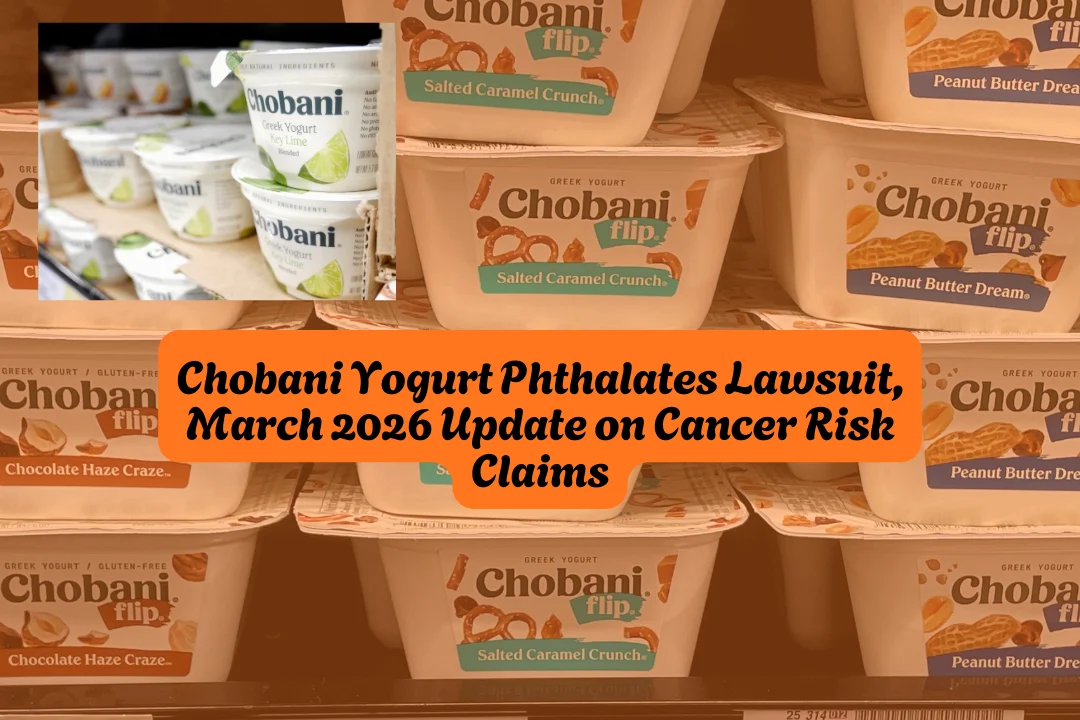
Chobani Yogurt Lawsuit: Are 'Natural' Products Contaminated?
In an era where consumers increasingly seek out products labeled "natural," a legal challenge against a prominent brand like Chobani can send ripples through the food industry and raise significant questions about food safety and transparency. The **Chobani Class Action Lawsuit** has brought to the forefront allegations that certain yogurt products, marketed with an "Only Natural Ingredients" promise, may contain unwanted chemical compounds. This ongoing legal battle highlights the complexities of food labeling, consumer trust, and the ever-evolving landscape of product scrutiny.
The Core Allegations: 'Natural' Claims Under Scrutiny
At the heart of the **Chobani Class Action Lawsuit** are claims that independent testing has identified specific chemicals, namely phthalates and a phthalate substitute, in certain Chobani yogurt products. The lawsuit, filed by plaintiff Amy Wysocki on April 16, 2025, references reports from an independent research organization, PlasticList, which allegedly found multiple plastic chemicals, including four types of phthalates, in Chobani's nonfat and whole milk plain Greek yogurts. The central contention is that these chemicals likely migrated into the yogurt from its plastic packaging, thereby contradicting Chobani's prominent "Only Natural Ingredients" messaging.
Phthalates are a group of chemicals often used to make plastics more flexible and durable. While their presence in certain consumer products is not uncommon, allegations of their presence in food products like yogurt are particularly concerning for many consumers. Health organizations and researchers have linked some phthalates to various health risks, including hormone disruption, reproductive and developmental issues, and some are even classified as possible human carcinogens. It's important to stress that these are allegations put forth in the lawsuit, and Chobani has vehemently denied any wrongdoing. No regulatory agency has confirmed the presence of phthalates in Chobani products, nor has the company been found legally liable for the claims. For a detailed breakdown of these allegations, read our article: Chobani Lawsuit Update: Phthalates vs. 'Natural Ingredients' Claims.
Chobani's Defense and Legal Battleground
Chobani has consistently and firmly denied the allegations made in the **Chobani Class Action Lawsuit**. The company maintains that its products are made exclusively with natural ingredients, aligning with their public statements and brand identity. Chobani has asserted that the claims raised by the plaintiff lack merit and has actively sought to dismiss the case. In an August 2025 hearing, Chobani stated that the court indicated it would dismiss the case in a formal order, expressing confidence in the eventual outcome.
However, the legal process is rarely straightforward. As of mid-2025, the court partially denied Chobani's motion to dismiss, allowing key claims within the lawsuit to proceed. This decision indicates that the court found sufficient grounds for the case to continue, regardless of Chobani's assertions about potential dismissal. As of March 11, 2026, the lawsuit remains active. There is currently no settlement amount, no claim form, and no payment timeline. The next typical steps in such a federal consumer case include extensive discovery—where both sides exchange information and evidence—and subsequent briefing on class certification. For more on the court's decision to allow certain claims to proceed, see our related piece: Chobani Phthalates Case: Court Allows Key Claims to Proceed.
Navigating 'Natural' Labels and Consumer Awareness
The **Chobani Class Action Lawsuit** underscores a broader challenge facing consumers: the ambiguity surrounding the term "natural" on food labels. Unlike "organic," which is regulated by specific USDA standards, "natural" often lacks a clear, universally accepted legal definition. This can lead to differing interpretations between manufacturers and consumers, potentially creating a trust gap when allegations of unexpected ingredients emerge.
For savvy consumers, this case serves as an important reminder to look beyond front-of-package claims. Here are some practical tips to empower your choices:
- Read Ingredient Lists: Always scrutinize the full ingredient list on product packaging. This provides the most comprehensive information about what you're consuming.
- Consider Packaging: While not always feasible to determine chemical migration, being aware of different packaging types and their potential interactions with food can be beneficial. Some consumers opt for glass or stainless steel containers where possible.
- Stay Informed: Follow reputable food safety organizations and consumer advocacy groups for updates on product testing, regulations, and ingredient concerns.
- Support Transparency: Prioritize brands that offer clear, detailed information about their sourcing, manufacturing processes, and ingredient integrity.
Class action lawsuits, even when allegations are denied, play a crucial role in shaping industry practices and consumer protection. They often bring greater scrutiny to labeling practices and can prompt companies to review and enhance their quality control measures, even if no wrongdoing is ultimately proven.
What's Next for the Chobani Class Action Lawsuit?
As an active legal proceeding, the **Chobani Class Action Lawsuit** still has several significant stages ahead. Following the court's partial denial of Chobani's motion to dismiss, the case will likely proceed through discovery, where both sides gather and exchange evidence. This is typically followed by the complex process of class certification, where the court determines if the plaintiff can represent a larger group of consumers who allegedly experienced similar harm. This certification process alone can take 12 to 24 months, depending on various motions and court schedules.
The ultimate outcome of food labeling cases varies widely. While many do settle out of court, others proceed to trial. Should this case lead to a settlement, the terms for potential claimants would be established at that time. Historically, in similar consumer class action settlements, payments are often distributed pro rata among eligible claimants, with the amount depending on the number of claims filed and proof of purchase. Some settlements may offer a "no receipt" option for a capped amount per household, though these specifics are always unique to each settlement agreement. As of the latest update, there is no settlement, no claim form, and no payment schedule. Consumers interested in the lawsuit should continue to monitor official legal updates, as participation details would only become available if and when a settlement receives final court approval.
Conclusion
The **Chobani Class Action Lawsuit** serves as a stark reminder of the ongoing scrutiny facing food manufacturers and the challenges of upholding consumer trust in an increasingly complex supply chain. While Chobani maintains its innocence and asserts that its products are made with only natural ingredients, the active lawsuit highlights critical discussions about product integrity, packaging safety, and the definitions we attach to our food. As this legal battle continues to unfold, its resolution will undoubtedly have implications for both Chobani and the broader natural foods industry, reinforcing the importance of transparency and diligent consumer advocacy in the marketplace.