Chobani Phthalates Case: Court Allows Key Claims to Proceed in Landmark Lawsuit
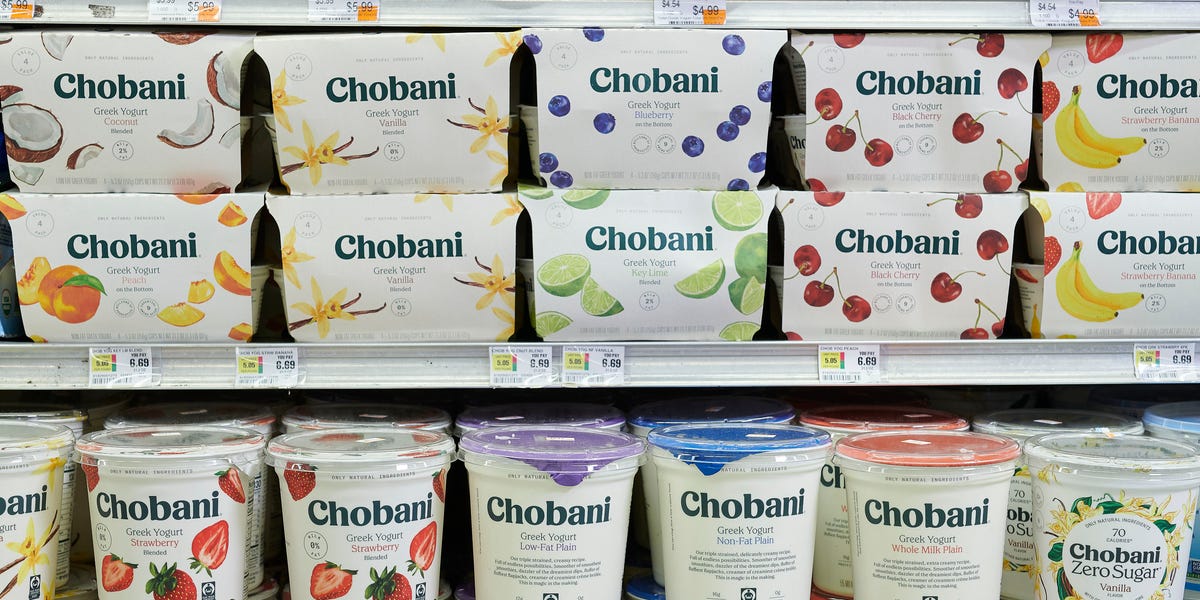
The quest for transparency in food labeling continues to be a central concern for consumers, especially when products marketed as "natural" face allegations of containing synthetic chemicals. Such is the focus of a prominent legal battle involving Chobani, a leading yogurt manufacturer. A Chobani Class Action Lawsuit has gained significant attention, alleging that certain Chobani yogurts, despite their "Only Natural Ingredients" marketing, contain phthalates and a phthalate substitute. While Chobani vehemently denies any wrongdoing, a crucial development occurred in mid-2025: the court partially denied Chobani's motion to dismiss, allowing key claims to move forward. This decision signals a significant step for the plaintiffs and underscores the ongoing scrutiny of "natural" claims within the food industry.
The Core Allegations: 'Natural' Claims Under Scrutiny
At the heart of the Chobani Class Action Lawsuit is the claim that third-party independent testing detected phthalates and a phthalate substitute in specific Chobani yogurt products. These chemicals, often referred to as plasticizers, are primarily used to make plastics more flexible. The lawsuit, filed by plaintiff Amy Wysocki on April 16, 2025, contends that these alleged chemicals likely migrated from the products' plastic containers, contradicting Chobani's prominent "Only Natural Ingredients" messaging.
Independent research organization PlasticList reportedly conducted tests that found multiple plastic chemicals, including four types of phthalates, in Chobani's nonfat and whole milk plain Greek yogurts. Phthalates have become a focal point of health concerns due to their alleged links to hormone disruption, reproductive and developmental issues, and in some cases, classification as possible human carcinogens. The complaint further alleges that Chobani either knew about this potential contamination or failed to take adequate measures to prevent it.
In response, Chobani has consistently denied the allegations, maintaining that its products are made exclusively with natural ingredients. The company has publicly stated that the claims lack merit and expressed its anticipation of a favorable court decision. While Chobani's initial statements referenced an August 2025 hearing where the court allegedly indicated an intent to dismiss the case, the more recent and significant development, as of early 2026, confirms that the court chose to *partially deny* Chobani’s motion to dismiss, permitting certain critical aspects of the lawsuit to proceed.
Navigating the Legal Landscape: Motion to Dismiss and Beyond
The court's decision in mid-2025 to partially deny Chobani's motion to dismiss marks a pivotal moment in this Chobani Class Action Lawsuit. A motion to dismiss is a common legal maneuver where a defendant asks the court to throw out a lawsuit, or parts of it, arguing that the plaintiff has failed to state a valid claim. The partial denial means that, at least for certain allegations, the court found sufficient grounds for the case to continue, indicating that the claims are plausible enough to warrant further legal proceedings.
As of March 11, 2026, the lawsuit remains active. It's important for consumers to understand that this is an ongoing legal process, and there is currently no settlement amount, no claim form available, and no payment timeline. The next major phases in federal consumer cases typically involve a period of discovery, where both sides exchange information and evidence, followed by extensive briefing and arguments concerning class certification. Class certification, which can take 12 to 24 months after filing depending on various motions and the discovery process, is a critical step that determines whether the lawsuit can proceed on behalf of a large group of affected consumers.
While food labeling cases often lead to settlements, the outcomes can vary significantly. Some achieve certification and eventual settlement, providing relief to affected consumers, while others may not. The current status means the legal battle is still in its relatively early stages, with significant steps ahead before any resolution can be determined.
What This Means for Consumers and the Future of Food Labeling
The ongoing Chobani Class Action Lawsuit serves as a powerful reminder of the increasing scrutiny surrounding "natural" food labeling and the growing consumer demand for transparency. While Chobani maintains its innocence and has not been found legally liable for any wrongdoing, and no regulatory agency has confirmed the presence of phthalates in its products, the very existence of such a lawsuit prompts important questions for both the industry and consumers.
Practical Tips for Consumers:
- Read Labels Critically: "Natural" is a loosely defined term by regulatory bodies. Always look beyond marketing claims to the actual ingredient list.
- Stay Informed: Follow reputable news sources and consumer watchdog organizations for updates on product safety and labeling disputes.
- Understand the Source: Consider how products are packaged and the potential for chemical migration from materials like plastics, even when ingredients are listed as natural.
- Diversify Your Diet: Reduce potential exposure to any single contaminant by consuming a variety of foods from different brands and sources.
- Support Research: Encourage further independent research into food safety and packaging materials.
This case, like many other food labeling disputes, highlights the challenges of producing and packaging foods without unintended contamination. Even if ingredients are sourced naturally, the manufacturing and packaging processes can introduce substances not originally intended for the final product. For the food industry, this means an increased focus on supply chain transparency, packaging innovation, and more rigorous testing protocols to uphold "natural" claims.
Potential Outcomes and Compensation in Class Action Lawsuits
Should the Chobani class action lawsuit eventually settle and receive final court approval, the process for potential compensation typically involves a claims period. Payments are often distributed pro rata, meaning they are divided proportionally among valid claimants. The amount received by individual class members can depend on the total number of claims filed and whether proof of purchase is required. Many food-related settlements often include an option for consumers to claim a capped amount per household even without a receipt, though specific terms vary significantly by settlement agreement.
However, it is crucial to reiterate that as of now, there is no settlement, no claim form, and no payment schedule. The case remains active and is proceeding through the discovery and class certification phases, which are critical steps before any discussion of a settlement or trial can meaningfully occur.
Conclusion
The Chobani Class Action Lawsuit alleging the presence of phthalates in "Only Natural Ingredients" yogurts continues to unfold, with the court's decision to allow key claims to proceed marking a significant development. While Chobani firmly denies the allegations and maintains the integrity of its products, the legal process will continue to examine the evidence presented by both sides. This ongoing case underscores the vital importance of transparent food labeling and packaging safety for consumers and sets a precedent for how "natural" claims are interpreted and defended in a highly scrutinized market. Consumers are encouraged to stay informed as this significant legal battle progresses.